
Can Extracorporeal Shock Wave Therapy Help Relieve Chronic Pain?
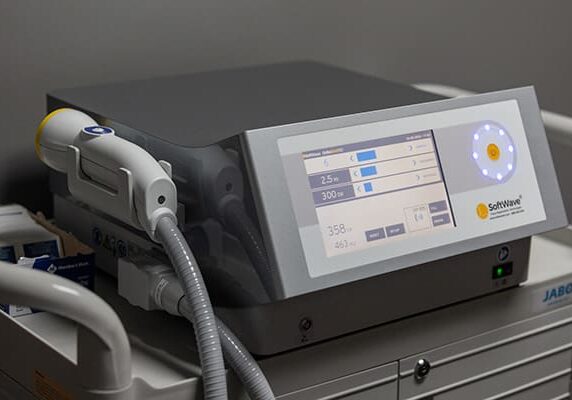
Chronic pain can quietly take over your life—making everyday movement harder, interrupting sleep, and limiting the activities you enjoy. As more people look for alternatives to medication or surgery, extracorporeal shock wave therapy has emerged as a promising, non-invasive option.
But how effective is it, and is it the right solution for long-term pain relief?
What Is Extracorporeal Shock Wave Therapy?
Extracorporeal shock wave therapy (ESWT) is a non-invasive treatment that uses acoustic waves to stimulate healing in damaged or painful areas of the body. While it was originally developed to treat kidney stones, it’s now widely used for musculoskeletal conditions.
By delivering controlled energy into the affected tissue, this therapy helps improve circulation, encourage tissue repair, and reduce pain over time. It’s commonly used for conditions like plantar fasciitis, tendon injuries, shoulder pain, and tennis elbow.
Why Chronic Pain Is So Persistent
Chronic pain isn’t always caused by a single issue. In many cases, it’s linked to ongoing inflammation, micro-injuries, or tissue that hasn’t healed properly. That’s why treatments like rest or medication often fall short—they don’t address what’s happening beneath the surface.
While pain relievers can temporarily reduce discomfort, they don’t promote healing and may come with long-term side effects. This is where regenerative approaches like ESWT stand apart.
How Extracorporeal Shock Wave Therapy Supports Healing
One of the key reasons extracorporeal shock wave therapy is gaining attention is its ability to activate the body’s natural repair processes.
The acoustic waves used during treatment can:
- Stimulate blood flow to the injured area
- Trigger cellular repair and regeneration
- Break down calcifications and scar tissue
- Reduce sensitivity in pain-transmitting nerves
Instead of masking symptoms, this approach works to restore healthier tissue function—leading to more sustainable results.
The Benefits of a Non-Invasive Treatment Option
For many patients, the appeal of ESWT comes down to what it avoids. There’s no surgery, no incisions, and no extended recovery time.
Additional benefits include:
- Short, in-office sessions
- Minimal discomfort during treatment
- No need for anesthesia
- Little to no downtime afterward
- Reduced reliance on medications
Most people can return to their normal routine immediately after each session.
Is This Treatment Right for You?
While extracorporeal shock wave therapy is effective for many chronic conditions, it’s not a one-size-fits-all solution. Outcomes can vary depending on the severity of the condition and how long the pain has been present.
A proper evaluation with a qualified provider is the best way to determine whether this treatment is appropriate for your specific needs.
A More Targeted Approach to Pain Relief
By focusing on the underlying cause of pain rather than just the symptoms, extracorporeal shock wave therapy offers a more modern and effective approach to care. For many patients, it provides a path to meaningful relief without the risks or limitations of traditional treatments.